Пайют,
Шайенны называли Пайютов "Поедатели рыб".
Национальный характер.
Пайюты почитались белыми за хороших работников, отношения между ними были практически бесконфликтными и к концу 19 в. Пайюты были вполне готовы к ассимиляции. Дж. Муни отмечал присущую Пайютам неряшливость. Во время рассказа о чем-либо, слушатель иногда повторял слова рассказчика слово в слово с той же интонацией, благодаря чему ни одна подробность рассказа от него не ускользала.
Антропология.
У Пайютов темный цвет кожи, рост невысокий (ниже 1,8 м). Черты лица широкие и грубые, в отличие от тонко очерченных черт степных племен.
Общая информация.
Пайюты проживали в 19 в. в штатах Невада (рез. Уолкер-Лейк и Вестерн-Шошони), Орегон (рез. Уорм -Спринг и Кламатов) и в прилегающих областях. Их земли включали в себя о.Уолкер, долину Мэйсон , о.Пирамид. На востоке соседями Пайютов были Юты, Шошоны, Госьюты; на юге - Диггеры, Мохаве, Пима, Папаго, Марикопа; на севере - Банноки; на западе - Пит-Ривер. В зависимости от Пайютов находилось племя Вашо. Пайюты родственны Шошонам, Госьютам и Ютам, Шошонам также очень близки по языку. Чемехуэви по информации Дж. Муни были ветвью Пайютов, с ними и с Мохаве Пайюты тесно общались, торговали, заимствовали песни и игры.
История.
Самое значительное столкновение Пайютов с белыми произошло в апреле 1860 г. у о.Пирамид (шт. Невада). Какие-то старатели захватили у Пайютов двух индеанок, их мужья освободили женщин, не причинив вреда виновникам. В ответ большой отряд старателей двинулся на о.Пирамид, чтобы уничтожить лагерь индейцев. Пайюты окружили их в узком ущелье и обстреляли из луков. Белые бежали, потеряв около 50 человек.
Социальная организация.
В обществе Пайютов выделялись шаманы и младшие вожди.
Антропонимия.
Пайюты могли менять имя с возрастом, брать себе имя одного из предков (например, деда).
Одежда.
Носили плащи из кроличьих шкурок. В кон. 19 в. их костюм был широко дополнен
европейской одеждой - широкополые фетровые шляпы (иногда с бисерной лентой под подбородком), шейный платок, одеяло. В качестве украшений Пайютами очень ценились хвостовые перья сороки.
Прическа.
Мужчины традиционно подстригали волосы по прямой линии ниже основания ушей.
Хозяйство.
В конце 19 в. Пайюты жили осенью и зимой в маленьких лагерях из хижин, где они занимались охотой на мелкую дичь (в т.ч. на кроликов), рыболовством, сбором семян и орехов пиньон. Весной и летом они работали по найму пеонами на местных фермах.
Жилище.
Викуп или викиап (wikiup) - хижина округлой формы (усеченный конус) из связок тростника. Каркас состоит из шестов и накрывается тростником на подобие соломенных крыш в Европе. Стены покатые, наверху большое отверстие для выхода дыма (снег и дождь в этих местах идут редко). Размеры жилища могли быть ок. 3 м в диаметре и 2,5 м в высоту (на 6 человек). Костер разводится в центре жилища без костровой ямы, топится пучками полыни. Спать ложатся прямо на землю, никаких кроватей или кресел не изготовляли.
Предметы быта.
Плетеные из травы сосуды и корзины разнообразной формы и размера. В конце 19 в. практически не использовали в быту посуды и предметов европейского производства, даже сковородок и котлов.
Игральные палочки.
Пища.
Среди традиционных блюд Пайютов были каша из семян и жаренные орехи пиньон.
Медицина.
Религия. Церемония Пляски Духов явилась шаману Пайютов Вовоке в видениях, первое из которых было в 1887 г. Первая Пляска состоялась в январе 1889 г. в резервации Уолкер-Лейк. Сама Пляска Духов называлась Пайютами Нанигуква (Nanigukwa) - "Танец в кругу". Для танцев выравнивали и очищали от полыни площадку, в кругу или поблизости от него разводили костер, по периметру площадки располагались хижины участников. Танцевали 4 ночи и утро пятого дня, заканчивалось представление дружным размахиванием одеялами. После этого все совершали омовение в реке, чтобы смыть с себя дурные силы и недуги. Предварительного освещения площадки или церемонии Инипи не проводилось. Трансов во время Пляски Духов у Пайютов не случалось. Вовока определял время начала и конца Пляски, совершал песнопения и молитвы, проповедовал перед участниками.
В ритуале Пляски Духов важную роль играла священная красная краска (охра кирпичного цвета), которую Пайюты доставали в окрестностях священной горы Маунт-Грант.
Часть Пайютов подверглась влиянию мормонов.
Ритуалы Пайютов.
Обряд при затмении Солнца.
Пайюты воспринимали затмение, как попытку проглотить Солнце каким-то чудовищем. Прогнать чудовище можно песнопениями и шумом. Поэтому в затмение индейцы поднимали большой крик, причитали, стреляли из ружей.
Пассамакводд, Native American people of the Algonquian language family and of the Eastern Woodlands culture area. They are part of the Abenaki confederacy. Most members of Passamaquoddy live near Passamaquoddy Bay, on the boundary between Maine and New Brunswick.
Пауни, Native American people of the Caddoan language family and of the Plains culture area. At the time of the early European explorations, the Pawnee inhabited the region that is now Nebraska. They engaged in frequent warfare with neighbouring peoples, especially their hereditary enemies, the Sioux. The Pawnee were never at war with the United States government, however, and, in fact, were allied with the European Americans in efforts to control raids by other Native Americans.
The Pawnee lived in earth lodges clustered in small villages. Their economy was based on intensive farming, and their religion involved visions and ceremonial rituals, including the sacrifice of a young woman each year to the morning-star deity. Pawnee myths and folklore were imaginative and richly symbolic. Their social organization was characterized by four distinct bands, each with its own chief.
In various treaties made in the 19th century, the Pawnee ceded most of their land south of the Platte River in Nebraska to the United States. Meanwhile, severe smallpox epidemics and attacks by the Sioux and other Native American peoples constantly diminished their numbers. In the late 19th century they gave up their remaining lands in Nebraska in return for a reservation in Oklahoma. At that time the Pawnee population numbered fewer than 1,000, and they were in danger of extinction.
Today most Pawnee members live on individual allotments of land on their reservation. Most earn a subsistence living by raising stock or cultivating small farms.
|
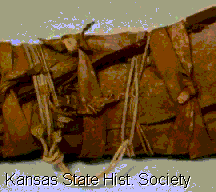
The Pawnee was one of the Native American Plains tribes. Shown here is a Pawnee sacred bundle. Bundles such as this one contained religious tools and symbols and were used as altars in rituals and ceremonies. |
Pennacook, group of Native North Americans of Algonquian linguistic stock who, in the early 17th century, inhabited north-eastern Massachusetts, south-western New Hampshire, and south-western Maine. During the wars between Great Britain and France in America, the Pennacook sided at first with the British, but later joined the French. In 1676 with their population decimated by war and smallpox to only about 1,250, the Pennacook fled to Canada and the West. The group that settled in Canada joined the exiled Abenaki tribe, and together they fought the British.
Пенобскот (народ), Native Americans of the Algonquian language family and of the Eastern Woodlands culture area. They formerly lived along the Penobscot River in Maine. During the wars between Great Britain and France in America, the Penobscot usually sided with the French, but made peace with the British in 1749. Because of their support for the colonists during the American War of Independence, they were given a reservation at Old Town, Maine.
Пикват, Native American people of the Algonquian language family and of the Eastern Woodlands culture area. They formerly occupied the coastal region of north-eastern Connecticut, from the Rhode Island border westwards. Once identified with the Mohegan people, the Pequot were virtually wiped out by the English in the Pequot War (1637). Descendants of the Pequot live mainly on the Pequot Reservation in Connecticut.
Пима, Native North American people of the Uto-Aztecan language family and of the South-west culture area, living in the Salt and Gila river valleys in southern Arizona. Traditionally, the Pima lived near the riverbanks and practised intensive agriculture. Their farming methods differed sharply from those of other south-western US Native Americans. The Pima, for example, dug irrigation canals using wooden tools. They lived in villages governed by an elected chief and a council, and their homes were single-family domed huts made of mud and brush.
The first outside contact with the Pima was made by a European, the Italian Jesuit missionary Eusebio Francisco Kino, in 1697; at that time the Pima numbered some 4,000. Today Pima descendants number about 14,500, and most live on the Salt River and Gila River reservations.
Потаватоми, Native North American people of the Algonquian language family and of the Eastern Woodlands culture area. The Potawatomi, or Fire Nation, were closely related to two other Native American peoples, the Ojibwa and the Ottawa. When the Potawatomi first became known to Europeans in the early 17th-century, they were settled around what is now Green Bay, Wisconsin. Gradually they extended their territory until, by 1800, they were dominating a large area from Wisconsin to Michigan and much of northern Indiana and Illinois. During the colonial period they fought with the French against the British, and, in 1763, they took part in the uprising under the Ottawa chief Pontiac. They were allied with the British against the Americans in the American War of Independence and in the War of 1812.
Between 1815 and 1841 the Potawatomi sold their lands to the United States government, and most of them moved west, eventually settling on a reservation in southern Kansas. By the mid-20th century about 2,000 Potawatomi lived in Kansas, with smaller bands in neighbouring states.
Пять Наций, конфедерация коренных американских племен, совместно известных также как Ирокезы, включала в себя Могавков, Онондага, Кайюга, Онеида и Сенеков, которые населяли центральную часть современного штата Нью-Йорк, США.